

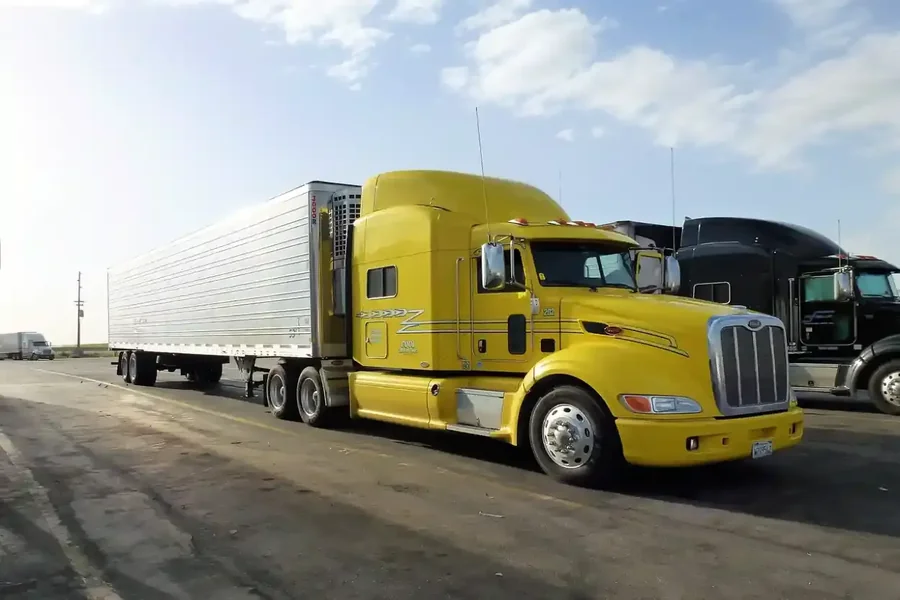
Have you ever wondered what happens when a commercial truck breaks down in the middle of a long haul? In the fast-paced world of logistics and transportation, every minute a truck sits idle is lost revenue. Fleet operators know that efficiency is critical, and one of the most significant threats to operational continuity is unexpected breakdowns. That’s where reliable truck roadside assistance becomes a vital component of fleet management. Not only does it minimize downtime, but it also ensures the safety of drivers and cargo, helping businesses maintain profitability and customer satisfaction.
The Importance of Truck Roadside Assistance
Commercial trucks endure some of the most demanding conditions on the road. Long hours, heavy loads, and varying weather conditions can all contribute to mechanical issues. While regular maintenance reduces the likelihood of breakdowns, no fleet is immune to unexpected problems such as flat tires, engine failures, or electrical malfunctions.
Reliable roadside assistance ensures that drivers receive prompt support when emergencies occur, which translates directly to reduced downtime. For fleet operators, even a short delay can ripple through the supply chain, causing missed deadlines, dissatisfied clients, and financial losses. A dedicated truck roadside assistance service provides peace of mind, knowing that help is just a call away.
Key Features of Effective Truck Roadside Assistance
When evaluating roadside assistance providers for commercial trucks, it’s crucial to look for services that go beyond standard emergency help. The most reliable providers offer a comprehensive range of solutions tailored to the unique needs of trucking fleets. Key features include:
1. 24/7 Availability
Trucks operate around the clock, and breakdowns don’t follow a schedule. A dependable service must be accessible 24/7, including nights, weekends, and holidays. Prompt response times are essential, as delays can significantly impact operations.
2. Nationwide Coverage
Fleets often traverse long distances across multiple states. Providers with nationwide coverage ensure that no matter where a truck breaks down, assistance is available. Local-only services may leave drivers stranded in remote locations, causing costly delays.
3. Specialized Equipment and Expertise
Commercial trucks are not standard vehicles; they require specialized tools and skilled technicians for repairs. A reliable roadside assistance service employs technicians trained to handle heavy-duty trucks, offering services such as battery replacement, tire repair, fuel delivery, and minor mechanical fixes on-site. Choosing the best truck roadside assistance ensures that your fleet receives expert care whenever and wherever it is needed.
4. Real-Time Tracking and Communication
Advanced services offer GPS tracking and real-time communication with roadside technicians. Fleet managers can monitor the exact location of the truck, estimated time of arrival for help, and progress updates. This transparency helps in planning alternative routes and keeping clients informed about delivery schedules.
5. Preventive Support
Some top-tier providers go beyond emergency assistance by offering preventive support services, including scheduled inspections and maintenance advice. This proactive approach helps identify potential issues before they escalate into costly breakdowns.
Benefits to Fleet Operators
Investing in reliable truck roadside assistance offers multiple benefits beyond just repair services.
1. Minimizing Downtime
Time is money in the transportation industry. Quick, efficient roadside assistance minimizes downtime, ensuring trucks are back on the road as soon as possible. This allows fleet operators to maintain delivery schedules and keep operations running smoothly.
2. Enhancing Driver Safety
Truck breakdowns can pose serious safety risks, especially on busy highways or in adverse weather conditions. Roadside assistance not only provides mechanical support but also ensures that drivers are safe while waiting for help. This includes safe towing, assistance with hazardous situations, and guidance on emergency procedures.
3. Cost Efficiency
Unexpected repairs can be expensive, particularly if the truck needs to be towed to a distant service center. On-site roadside assistance reduces these costs by addressing minor issues immediately, preventing escalation into major repairs. Some providers also offer discounted rates for fleet accounts, further improving cost efficiency.
4. Improved Customer Satisfaction
Delays in delivery can negatively affect customer relationships. By ensuring that trucks experience minimal downtime, roadside assistance services help maintain reliable delivery schedules. Happy clients translate into repeat business and a strong reputation in the logistics industry.
Choosing the Right Roadside Assistance Provider
Selecting the right service provider requires careful consideration of several factors:
- Response Time: Ask about average response times in your operating regions. Faster responses mean less downtime.
- Coverage Areas: Ensure the provider covers all areas where your fleet operates.
- Service Scope: Confirm that the provider can handle the specific types of trucks and equipment in your fleet.
- Experience and Reputation: Look for providers with a proven track record in commercial trucking support.
- Technology Integration: Services that integrate with fleet management software can provide seamless communication and tracking.
Leveraging Technology for Efficiency
Modern roadside assistance services often integrate technology to enhance efficiency. Mobile apps and telematics allow fleet managers to request help instantly, track technicians in real-time, and receive detailed reports after the service is completed. Some systems even use predictive analytics to alert drivers and managers of potential mechanical issues before they cause breakdowns. This combination of technology and expert service ensures that fleets remain operational and efficient.
Real-World Scenarios
Consider a long-haul trucker transporting perishable goods across multiple states. A flat tire or engine failure in a remote area could compromise the cargo’s integrity. With reliable roadside assistance, a trained technician can be dispatched immediately, and the truck can be repaired on-site or safely towed to a nearby facility. The cargo remains safe, and the delivery schedule stays intact, preventing financial and reputational losses.
Another scenario involves a fleet operating under tight deadlines for multiple deliveries. Even minor delays can cascade, disrupting the entire schedule. With a roadside assistance plan, fleet managers can quickly coordinate alternative routes, dispatch backup vehicles if necessary, and keep clients informed, all while the affected truck receives professional support.
Building a Proactive Roadside Assistance Strategy
For maximum effectiveness, fleet operators should integrate roadside assistance into their broader fleet management strategy. This includes:
- Routine Maintenance: Regular inspections reduce the likelihood of breakdowns.
- Driver Training: Educating drivers on basic troubleshooting and emergency procedures improves response times.
- Service Contracts: Establishing agreements with a reliable provider ensures priority service and predictable costs.
- Technology Integration: Utilizing GPS, telematics, and mobile apps streamlines communication and reporting.
By combining preventive measures with professional roadside support, fleets can operate more efficiently, safely, and cost-effectively.
Conclusion
Reliable truck roadside assistance is more than just a safety net—it’s a critical tool for keeping fleets moving, protecting cargo, and maintaining customer trust. In an industry where time is money, investing in professional, responsive, and technologically advanced roadside support pays dividends by reducing downtime, enhancing driver safety, and improving operational efficiency.
For fleet operators, the message is clear: proactive planning, coupled with dependable roadside assistance, ensures that trucks are not just on the road but moving efficiently, safely, and profitably. In the competitive logistics industry, this edge can make all the difference between smooth operations and costly disruptions.