
Top Lawn Care Tips for a Lush Green Yard
Soil testing and analysis serve as the foundation for successful gardening and landscaping. Understanding the composition and health of the soil is crucial for determining the right amendments and treatments needed to foster plant growth. A soil test typically measures pH levels, nutrient content, and organic matter, providing insights into the soil’s fertility and structure.
For instance, a pH level below 6.0 may indicate acidic soil, which can hinder nutrient availability for many plants. Conversely, alkaline soils with a pH above 7.0 can also present challenges, particularly for acid-loving plants like azaleas and blueberries. To conduct a soil test, one can either purchase a home testing kit or send samples to a local agricultural extension office or laboratory.
The process involves collecting soil samples from various locations within the garden or lawn to ensure a representative analysis. Once the samples are collected, they are mixed and dried before being sent for testing. The results will typically include recommendations for lime or sulfur applications to adjust pH, as well as suggestions for fertilizers based on nutrient deficiencies.
For example, if the test reveals low nitrogen levels, a nitrogen-rich fertilizer may be recommended to promote healthy foliage growth.
Mowing and Trimming Techniques
Optimal Mowing Height
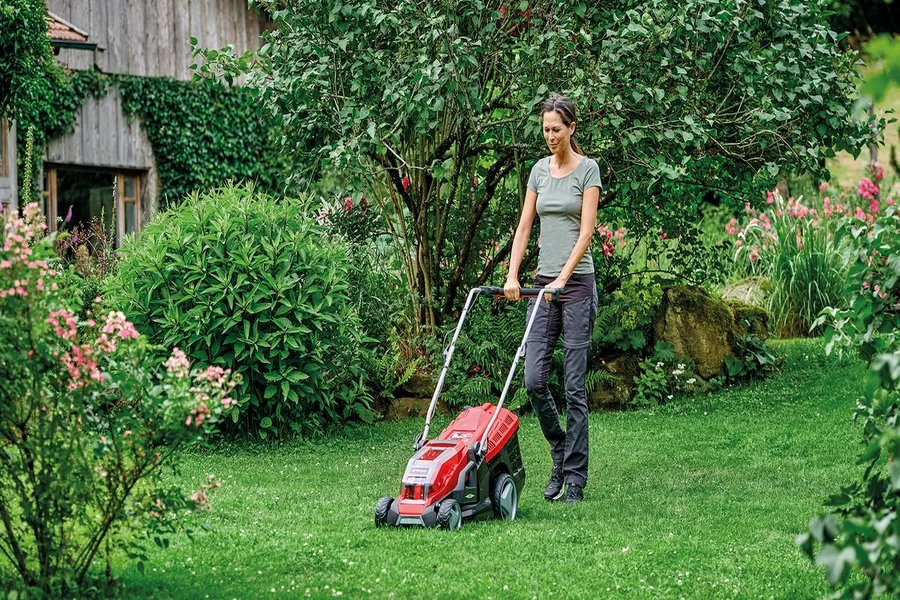
One fundamental principle is to mow at the correct height; different grass types have varying optimal heights. For instance, cool-season grasses like Kentucky bluegrass thrive when mowed to a height of 2.5 to 3.5 inches, while warm-season grasses such as Bermuda grass prefer a shorter height of 1 to 2 inches. Mowing too short can stress the grass, making it more susceptible to pests and diseases.
Frequency and Technique
In addition to height, the frequency of mowing plays a significant role in lawn health. Regular mowing encourages denser growth and helps prevent weeds from establishing themselves. It is advisable to follow the one-third rule: never remove more than one-third of the grass blade in a single mowing session. This practice not only reduces stress on the grass but also promotes deeper root growth. Furthermore, using sharp mower blades is crucial; dull blades can tear grass rather than cut it cleanly, leading to an increased risk of disease.
The Importance of Trimming
Trimming is another vital aspect of lawn care that complements mowing, starting shortly after turf installation in the Fraser Coast. Edging along sidewalks, driveways, and flower beds creates a clean, manicured look while preventing grass from encroaching into unwanted areas.
Trimmers can be used to reach areas that mowers cannot, such as around trees and garden beds. When trimming, it is essential to maintain a steady hand and avoid scalping the grass or damaging nearby plants. Regular trimming not only enhances visual appeal but also promotes healthy growth by allowing sunlight to reach lower leaves.
Watering Schedule and Techniques
Establishing an effective watering schedule is critical for maintaining a vibrant landscape. The frequency and amount of water required depend on various factors, including plant type, soil composition, and weather conditions. Generally, deep watering is preferred over frequent shallow watering, as it encourages roots to grow deeper into the soil where moisture is more consistent.
A common recommendation is to water lawns and gardens about once a week, providing approximately one inch of water per week, either through rainfall or irrigation. To determine when to water, one can use a simple method involving a rain gauge or even a small container placed in the garden to measure rainfall accumulation. If less than one inch of water has fallen in a week, it’s time to irrigate.
Additionally, observing the plants can provide clues; wilting leaves or a dull color may indicate that they need water. However, overwatering can be just as detrimental as underwatering, leading to root rot and other issues. Therefore, it’s essential to monitor soil moisture levels regularly.
Irrigation techniques vary widely, from traditional hose watering to advanced drip irrigation systems. Drip irrigation is particularly effective for gardens and flower beds as it delivers water directly to the root zone, minimizing evaporation and runoff. Sprinkler systems can be programmed for efficiency, ensuring that water is applied evenly across the lawn while avoiding wasteful overspray onto sidewalks or driveways.
Timing is also crucial; watering early in the morning or late in the evening reduces evaporation losses compared to watering during the heat of the day.
Fertilization and Weed Control
Fertilization is an integral part of maintaining healthy plants and lawns, providing essential nutrients that may be lacking in the soil. The three primary nutrients found in fertilizers are nitrogen (N), phosphorus (P), and potassium (K), often referred to as N-P-K ratios on fertilizer bags. Nitrogen promotes lush green growth, phosphorus supports root development and flowering, while potassium enhances overall plant health and disease resistance.
Understanding the specific needs of your plants will guide you in selecting the appropriate fertilizer type and application rate. Timing is also critical when it comes to fertilization. For cool-season grasses, early spring and fall are ideal times for application since these grasses thrive during cooler temperatures.
In contrast, warm-season grasses benefit from fertilization in late spring through summer when they are actively growing. Slow-release fertilizers can provide a steady supply of nutrients over time, reducing the risk of nutrient leaching and promoting sustained growth. Weed control is equally important in maintaining a healthy landscape.
Weeds compete with desirable plants for nutrients, water, and light, often leading to reduced growth and vigor in cultivated species. Pre-emergent herbicides can be applied in early spring to prevent weed seeds from germinating, while post-emergent herbicides target existing weeds. However, chemical control should be used judiciously; integrated weed management practices that include cultural methods such as mulching, hand-pulling, and proper mowing techniques can significantly reduce weed populations without relying solely on chemicals.
Aeration and Dethatching
Aeration is a vital practice that improves soil health by alleviating compaction and enhancing air exchange within the root zone. Compacted soil restricts root growth and limits water infiltration, leading to poor plant performance. Aeration involves perforating the soil with holes to allow air, water, and nutrients to penetrate deeper into the ground.
This process can be performed using a core aerator that removes small plugs of soil or by using spike aerators that simply poke holes into the ground. The best time for aeration depends on the type of grass being grown; cool-season grasses benefit from aeration in early spring or fall when they are actively growing, while warm-season grasses should be aerated during their peak growth period in late spring or early summer. Following aeration with overseeding can further enhance lawn density by allowing new grass seeds to establish themselves in the freshly aerated soil.
Dethatching is another important maintenance practice that addresses excessive thatch buildup—a layer of dead grass clippings, roots, and other organic matter that accumulates on the soil surface. While some thatch is beneficial as it provides insulation and moisture retention, excessive buildup can suffocate grass roots and promote disease. Dethatching can be accomplished using specialized dethatching rakes or machines that remove this layer without damaging healthy grass beneath it.
The best time for dethatching is during periods of active growth when grasses can recover quickly from any stress caused by the process.
Proper Plant Selection and Placement
Native Plants: A Low-Maintenance Option
Native plants are often an excellent choice as they are adapted to local conditions and typically require less water and care than non-native species.
Understanding Plant Growth Habits
Understanding plant growth habits, such as height at maturity and spread, ensures that plants are placed appropriately within the landscape. This consideration is critical to simplify maintenance tasks such as watering and fertilizing. For instance, placing drought-tolerant succulents together allows for less frequent watering compared to grouping them with moisture-loving ferns or hostas.
Creating a Dynamic Landscape
Considering seasonal interest, such as flowering times or fall color, can create a dynamic landscape that remains visually appealing throughout the year. When planning a garden layout, it’s beneficial to consider vertical layering by incorporating plants of varying heights. Will you be holding events there? Will there be canopies, event equipment, wedding lolly wall hire, drinks fridges and the like?
Taller plants can serve as backdrops for shorter ones while creating depth and interest within the garden bed. Additionally, incorporating ground covers can help suppress weeds while providing an attractive carpet of foliage beneath taller plants.
Pest and Disease Prevention
Preventing pests and diseases is crucial for maintaining plant health in any landscape setting. Integrated Pest Management (IPM) strategies focus on monitoring pest populations and implementing control measures only when necessary rather than relying solely on chemical pesticides. Regular inspections of plants for signs of pests—such as discolored leaves or webbing—can help catch infestations early before they escalate into larger problems.
Cultural practices play a significant role in pest prevention; maintaining healthy plants through proper watering, fertilization, and pruning can enhance their resilience against pests and diseases. For example, overcrowded plants may create humid conditions conducive to fungal diseases; therefore, proper spacing allows for better air circulation around foliage. Biological control methods involve introducing natural predators or beneficial insects into the garden ecosystem to manage pest populations effectively.
Ladybugs are well-known for their appetite for aphids, while parasitic wasps can help control caterpillar populations by laying eggs inside them. Additionally, companion planting—growing certain plants together that repel pests—can provide an organic approach to pest management.
Seasonal Maintenance and Care
Seasonal maintenance is essential for ensuring that gardens remain healthy throughout the year. Each season presents unique challenges and opportunities for care that should be addressed accordingly. In spring, tasks such as cleaning up debris from winter storms, pruning dead branches from trees and shrubs, and applying mulch help prepare gardens for new growth.
This is also an ideal time for planting annuals or perennials that will bloom throughout the warmer months. Summer maintenance often focuses on watering schedules due to increased temperatures and potential drought conditions. Regular monitoring of moisture levels becomes critical during this time; adjusting irrigation practices based on rainfall patterns ensures that plants receive adequate hydration without overwatering them.
As fall approaches, attention shifts toward preparing gardens for winter dormancy. This includes tasks such as cutting back perennials after they have finished blooming, applying compost or organic fertilizers to enrich soil health before winter sets in, and protecting sensitive plants with mulch or frost covers. Winter maintenance may involve monitoring evergreens for snow load damage or checking stored bulbs for rot or disease during storage periods.
Planning ahead for spring by ordering seeds or designing new garden layouts can also be part of winter care routines. By understanding these various aspects of landscape management—from soil testing to seasonal care—gardeners can cultivate thriving outdoor spaces that bring beauty and enjoyment throughout the year.